
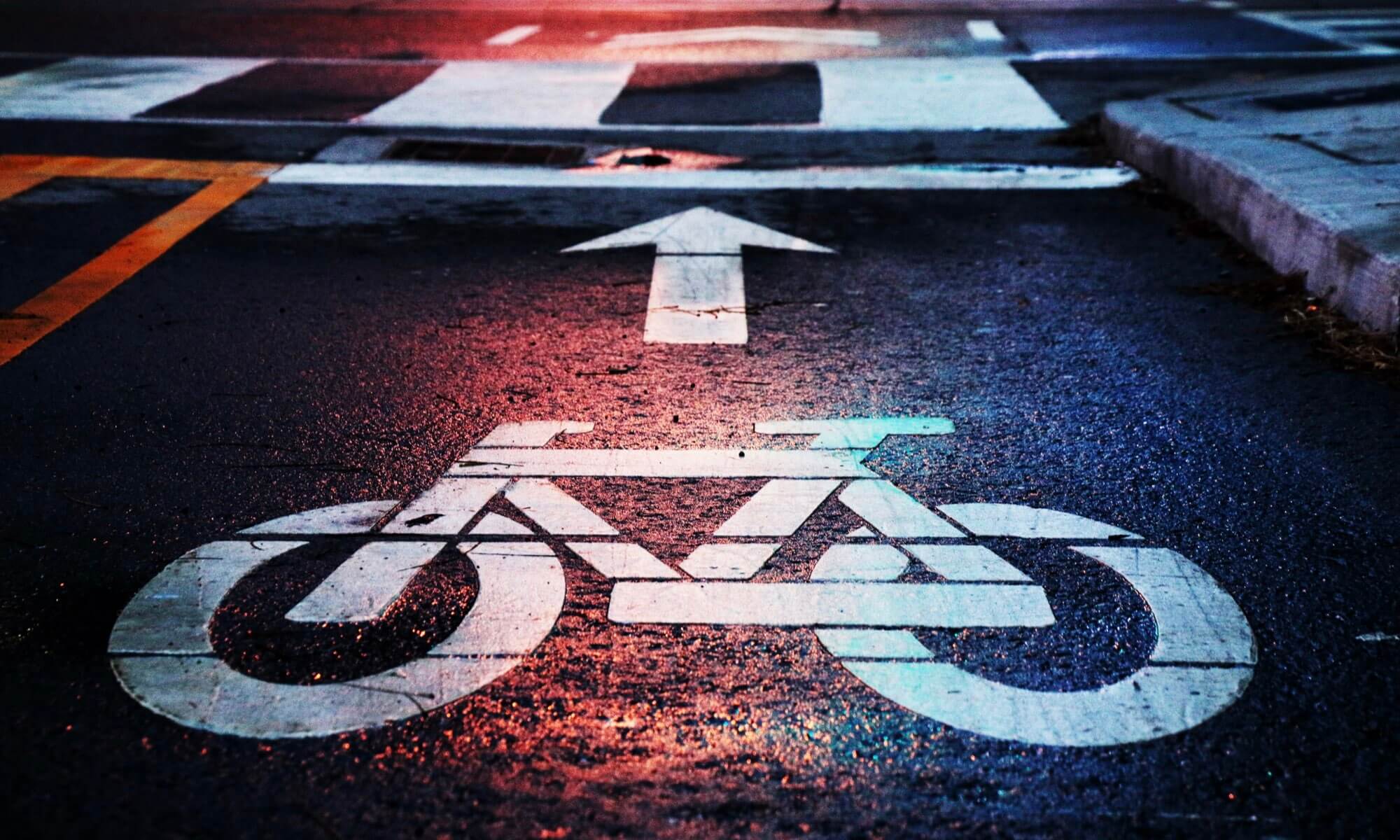


As May was Bike to Work Month, INRIX would like to highlight Dalia Suszko, Software Development Engineer on the IQ backend team, who bikes to work every day. Dalia interned with INRIX in the summers of 2022 and 2023 and has been a full-time employee for just over a year.
More people are considering alternatives to driving, whether to save money, reduce their environmental impact, or fit more movement into their daily routines. For Dalia, biking to work wasn’t originally a lifestyle choice—it was a necessity. After moving from California to Bellevue without a car, she purchased an e-bike and never looked back.
After a year of commuting exclusively by bike, here are her top tips for anyone considering biking to work.
- Plan Your Route Before You Ride
Definitely check what the route is like before embarking on your first ride! You may think you know the way to work, but getting there by bike instead of by car is very different. There may not be bike lanes on every street, and some intersections may be particularly dangerous for cyclists (just take a look at the INRIX vulnerable road user data)! It’s important to map your path ahead of time, so you know you’re on the safest route. I live very close to the INRIX office, about 1.5 miles away, so it only takes me 8-10 minutes to get to work.
- Always Wear Your Helmet and Be Visible
Always wear your helmet! It can be tempting to leave it behind, especially for a short ride like my commute to work, but it’s absolutely the most important piece of safety gear at your disposal. I have a MIPS helmet with an emergency card on the inside with my health information and an emergency contact. You should also keep in mind that you are probably not as visible to drivers on the road as you may think, especially if you’re in a blind spot. Make sure that the other road users have seen you before attempting a risky maneuver and always err on the side of caution.
It’s also important to have a strong headlight and taillight so that others can see you on the road. I try to dress in bright colors if I know visibility will be low that day, but in general I try not to bike after dark unless I have to.
- Invest in Good Rain Gear (clothes and work supplies)
Having good rain gear is a must, especially for the rainy Seattle winters. I have a long waterproof raincoat and waterproof pants that go over my regular clothes. I also have rain boots, gloves, and a thin hat that fits under my helmet.
For my laptop and other work gear, I have a rack above my back wheel from which I hang two panniers. Panniers are bags specifically made to hook onto the side of a bike, and they were a real game changer for me. They’re big enough to fit my entire work bag with room to spare, and they make transporting groceries a breeze. My panniers are also waterproof and have roll down closures that prevent water from getting inside, so I don’t have to worry about my work supplies getting soaked. This type of equipment is definitely an investment, and like with safety gear, you shouldn’t cut corners when it comes to quality. Good rain gear will last a lifetime and prevent you from ending up with a waterlogged laptop!
- Think About Accessibility
Biking has been great for my health and energy levels, but it’s also broadened my perspective on transportation and accessibility.
A few months ago, I injured my leg and wasn’t able to bike or walk long distances while I recovered. Since I don’t have a car, I had to rely on Uber and rides from friends to get around. This experience made me realize what a significant barrier physical ability can be for biking and other alternative forms of transportation. It’s not something most people consider until they find themselves in a situation like that, but sometimes the option that works best right now may not be the most accessible in the future.
- Take Advantage of Workplace Support
If your workplace offers bike parking or storage, take advantage of it.
At INRIX, I park my bike in the covered garage and secure it with a U-lock around the frame and bike rack. Secure parking makes bike commuting much more convenient and gives me peace of mind during the workday.
- Focus on the Benefits
Biking forces me to get some movement and fresh air in the morning, which definitely energizes me for the day ahead! I’m not a very sporty person, and I have a hard time fitting exercise into my day, so every minute I can spend on my bike is valuable.
For me, choosing an e-bike instead of a car started as a practical decision. A year later, it’s become a lifestyle that I genuinely enjoy. If you’re considering biking to work, start small, prioritize safety, and give yourself time to build confidence. You may end up loving it as much as I do.