
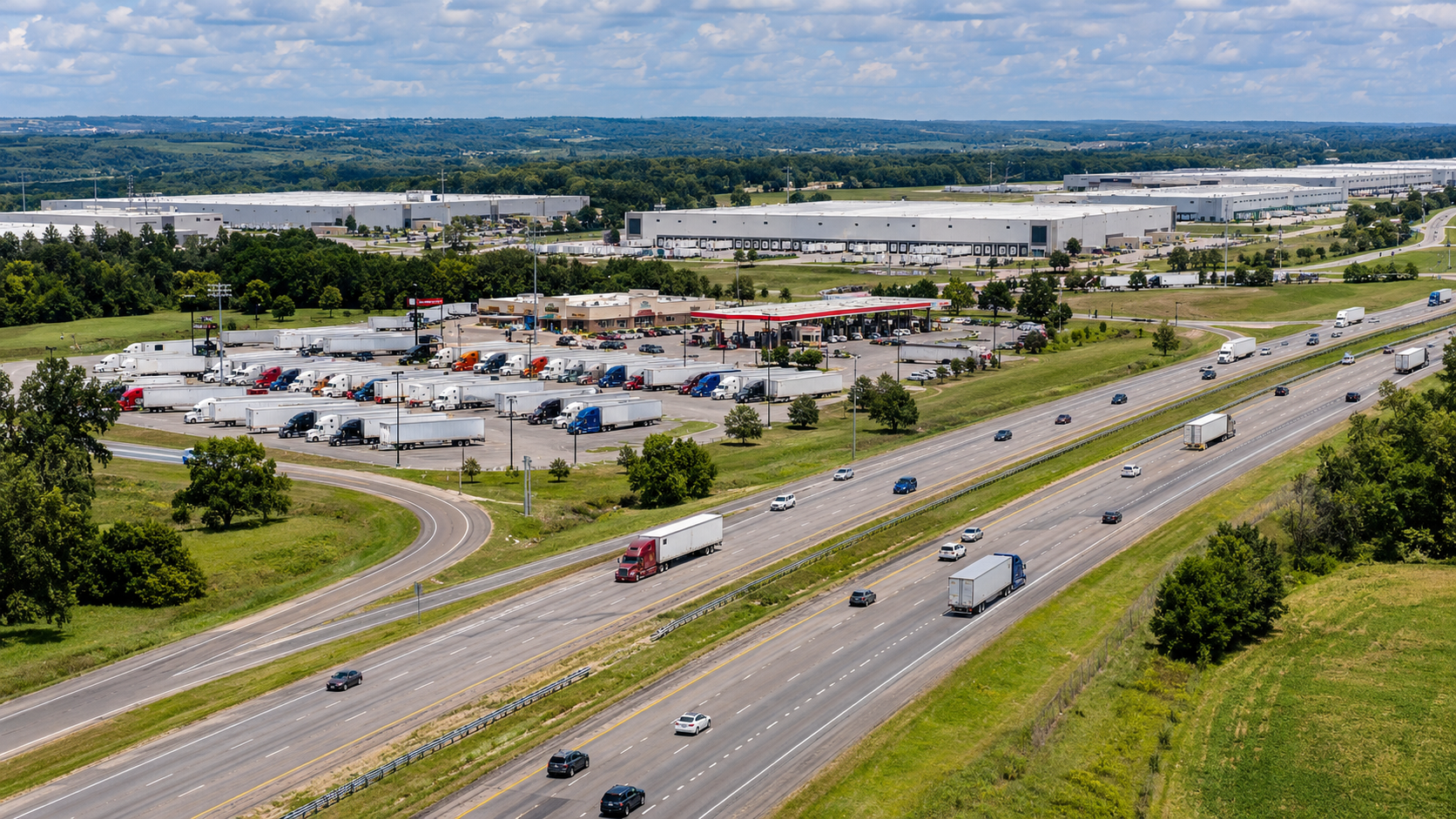


Every minute a truck spends searching for parking is a minute not spent moving freight. For logistics providers operating in today’s environment of rising transportation costs, driver shortages, and increasing delivery expectations, parking has become much more than an operational nuisance. It is a strategic challenge that directly impacts productivity, cost, safety, and customer service.
While discussions around freight efficiency often focus on routing, fuel consumption, and fleet utilization, parking remains one of the most overlooked variables in transportation operations. Yet drivers across North America regularly face uncertainty about where they will find available parking, whether facilities are nearing capacity, and how parking conditions vary by region, corridor, and time of day.
The INRIX Parking Scorecard was created to help transportation professionals better understand these dynamics. By examining parking trends across markets, regions, and facilities, the scorecard provides insights that logistics companies, fleet operators, brokers, and shippers can use to better understand parking conditions and their impact on freight movement.
Why Parking Matters More Than Ever
The modern supply chain depends on precise coordination. Dispatchers carefully schedule routes. Distribution centers manage loading windows. Customers expect predictable delivery times. Unfortunately, drivers often face a different reality.
Hours-of-service regulations require drivers to stop and rest within specific timeframes. When available parking is scarce, drivers may spend valuable time searching for a space rather than resting or continuing their trip as planned. The result can be:
- Lost driving time
- Increased delivery delays
- Reduced asset utilization
- Higher operating costs
- Driver frustration and turnover
- Elevated safety risks
For logistics providers, these impacts compound quickly across large fleets and nationwide operations. Understanding where parking shortages exist and how conditions change throughout the day can help transportation planners make more informed decisions that improve operational performance
Turning Parking from a Blind Spot into an Operational Advantage
Historically, parking decisions were based on driver experience and anecdotal knowledge. Drivers learned which locations were typically full, which corridors were difficult, and which areas offered reliable parking.
While that experience remains invaluable, today’s freight networks require more scalable, data-driven approaches.
Parking intelligence allows logistics providers to better understand:
- Regional parking availability trends
- Peak parking demand periods
- High-demand freight corridors
- Variations between urban and rural markets
- Areas where parking shortages may create bottlenecks
This broader perspective can help transportation teams move beyond reactive planning and toward more proactive operational strategies. The Parking Scorecard provides exactly this type of market-level visibility, helping organizations identify patterns that may otherwise remain hidden.
Use Case: Supporting Arrival Predictability
Consistent arrival times are critical for both shippers and logistics providers. When drivers unexpectedly spend 30, 45, or 60 minutes looking for parking, those delays often cascade downstream.
A late stop may create:
- Missed warehouse appointments
- Rescheduled unloads
- Delays on subsequent loads
- Reduced fleet productivity
Parking insights help transportation teams better understand where parking-related delays are most likely to occur and incorporate those realities into planning expectations. The result is often a more realistic and reliable transportation plan that accounts for real-world operating conditions rather than ideal assumptions.
Use Case: Reducing Driver Stress and Improving Retention
Driver recruitment and retention remain among the industry’s most significant challenges. While compensation and home time are often discussed, parking consistently ranks among drivers’ most frustrating daily challenges.
Drivers who reach the end of their legal driving hours without confidence they can find parking face significant stress. They may make conservative routing decisions, stop earlier than necessary, or spend excessive time searching for available spaces.
Organizations that understand parking constraints and proactively account for them in route planning can create a better driver experience.
Benefits may include:
- Reduced frustration
- Improved trip predictability
- Better compliance with hours-of-service rules
- Enhanced driver satisfaction
- Lower turnover risk
The Parking Scorecard provides valuable visibility into parking conditions that transportation leaders can use to better understand what drivers experience across different markets.
Use Case: Identifying Freight Corridor Challenges
Freight demand is not evenly distributed. Some corridors experience consistently high truck volumes and parking demand, particularly near major ports, distribution hubs, manufacturing centers, and metropolitan areas.
Understanding which regions experience the most intense parking pressure can support strategic decisions such as:
- Network design
- Facility placement
- Distribution center planning
- Lane optimization
- Carrier selection
- Operational forecasting
Parking trends can reveal important patterns about freight flows and infrastructure pressures that may not be obvious through traditional transportation metrics alone. For logistics providers, these insights can support both day-to-day operations and long-term planning initiatives.
Quantifying the Cost of Parking Challenges
Parking shortages create costs that are often difficult to measure because they appear in many different areas of the transportation operation.
Potential impacts include:
- Additional fuel consumption from parking searches
- Lost driver productivity
- Reduced asset utilization
- Delayed deliveries
- Increased administrative coordination
- Higher overtime expenses
- Greater schedule variability
A fleet that loses even a small amount of productivity per trip due to parking-related inefficiencies may experience substantial cumulative impacts over the course of a year. This is why many transportation organizations are placing greater emphasis on understanding parking conditions as part of broader operational efficiency initiatives.
What the Parking Scorecard Reveals
The Parking Scorecard offers a data-driven view into parking conditions across key freight markets and corridors.
Users can explore:
- Markets with the highest parking demand
- Regional parking trends
- Capacity utilization patterns
- Changes over time
- Comparative performance across locations
These insights help transportation professionals better understand where parking challenges are occurring and how they may affect freight movement. For organizations responsible for planning, moving, or managing freight, the scorecard serves as an educational resource that brings greater transparency to a problem that has historically been difficult to quantify.
Using Data to Make Better Freight Decisions
The transportation industry generates more data than ever before, but actionable insights remain the key to operational improvement.
Parking conditions influence routing, scheduling, productivity, safety, and driver experience. Organizations that understand these dynamics are often better positioned to anticipate challenges and make informed decisions.
The Parking Scorecard provides a window into one of the most important yet often overlooked aspects of freight operations. Whether you are responsible for fleet management, transportation planning, logistics operations, network design, or supply chain strategy, understanding parking trends can provide valuable context for improving performance.
As freight networks continue to evolve, parking intelligence will play an increasingly significant role in helping logistics providers operate more efficiently, support drivers more effectively, and keep goods moving reliably across the transportation ecosystem.
Explore the INRIX Parking Scorecard to see how parking conditions vary across regions and freight corridors, uncover emerging trends, and gain a deeper understanding of how parking influences the movement of goods throughout North America.