
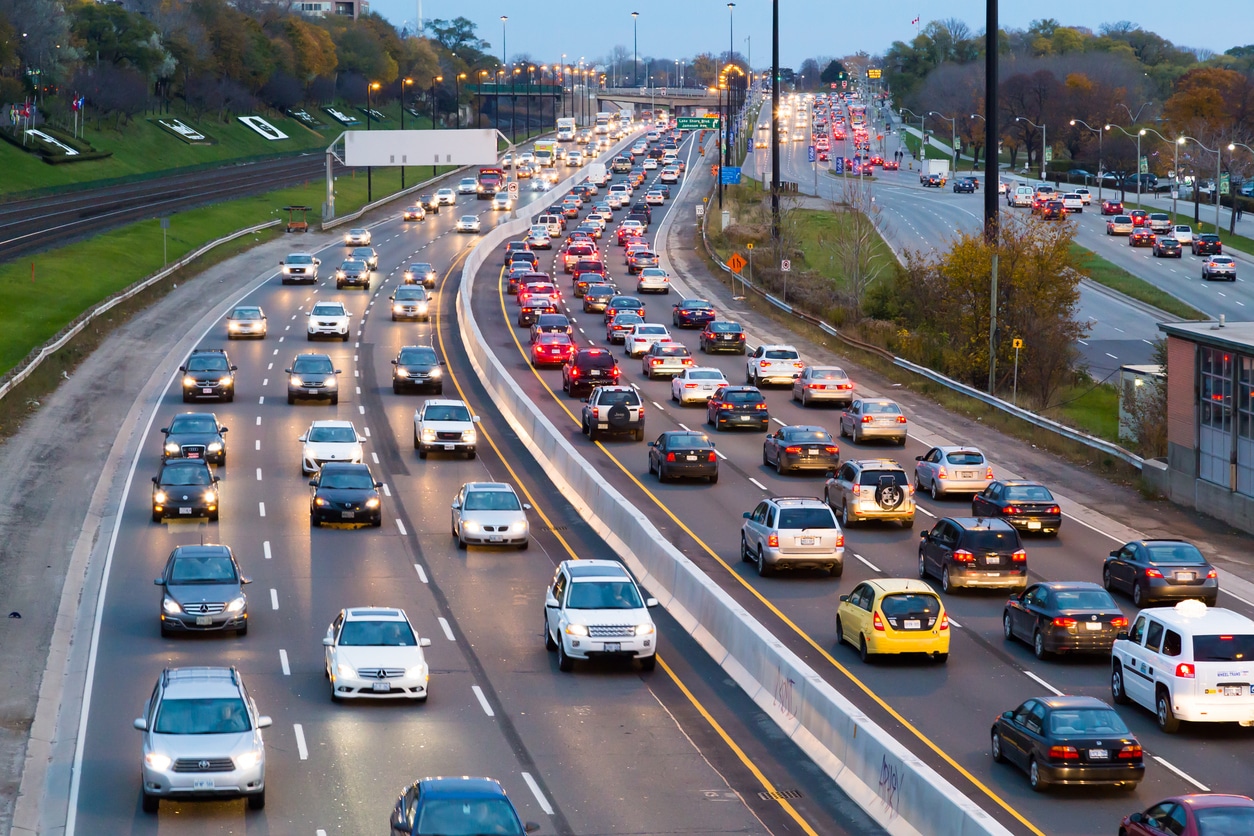


As Americans make the most of the unofficial final weekend of summer, INRIX expects traffic to build on major roads leading out of metropolitan areas, particularly on Thursday and Friday afternoon.
Unlike longer holiday periods, Labor Day travel tends to be concentrated into a relatively short window. Many travelers will begin their trips after work on Thursday, September 3, or leave during the day on Friday, September 4. This will bring holiday traffic onto roads that are already carrying normal commuter volumes.
The busiest conditions are likely between mid-afternoon and early evening on Thursday and Friday. Drivers who can leave before lunchtime should generally experience lighter traffic and more reliable journey times.
Saturday will bring a different pattern, with traffic building from late morning as travelers set off on shorter road trips, visit beaches and parks, or take day trips closer to home. Congestion is likely to be focused around popular recreational destinations rather than solely on traditional commuter routes.
Sunday should be comparatively manageable, although tourist areas and routes serving major events could still experience localized delays. The return journey will begin in earnest on Labor Day itself, with traffic increasing from late morning and remaining busy through much of the afternoon.
“Labor Day produces a compressed getaway pattern, with large numbers of people trying to leave cities or return home within the same relatively narrow periods,” said Nathan Nekrews, transportation analyst at INRIX. “The best advice is simple: travel early, allow additional time and avoid the middle of the afternoon wherever possible. Even leaving an hour or two earlier can make a meaningful difference.”
When to Travel
Thursday, September 3: Leave before early afternoon. Expect the heaviest traffic during the evening commute.
Friday, September 4: Morning departures are recommended. Traffic is expected to build from lunchtime and remain elevated into the early evening.
Saturday, September 5: Leave early. Day-trip and recreational traffic will increase through the late morning and afternoon.
Sunday, September 6: Generally the lightest day, although localized congestion is possible around tourist destinations and major events.
Monday, September 7: Return before late morning or later in the evening. The afternoon is expected to be the busiest period for homebound travelers.
Like every holiday, Labor Day has its own distinctive traffic patterns, and the biggest delays do not always occur where or when drivers might expect. Observed traffic during last year’s getaway showed particularly severe Labor Day return congestion on I-90 into Seattle and I-93 between Boston and Manchester, where peak journeys took around twice as long as usual. Recreational routes also produced major delays, including the Long Island Expressway between New York and the Hamptons, I-10 between Los Angeles and Palm Springs, and I-4 between Tampa and Orlando. Drivers using these and similar routes should be especially wary of Friday afternoon departures and the concentrated return rush on Monday.
Labor Day may mark the unofficial end of summer, but for millions of drivers it also brings one final major travel rush. With getaway traffic overlapping with regular commutes and return trips concentrated on Monday, timing will be key to avoiding the worst delays. Leaving early, allowing extra time and remaining flexible can make holiday journeys considerably easier. Drivers heading toward popular beaches, parks and recreational destinations should also prepare for localized congestion throughout the weekend. By planning ahead and avoiding peak afternoon periods, travelers can spend less time sitting in traffic and more time enjoying the final long weekend of summer.
Read the full press release by AAA here.