
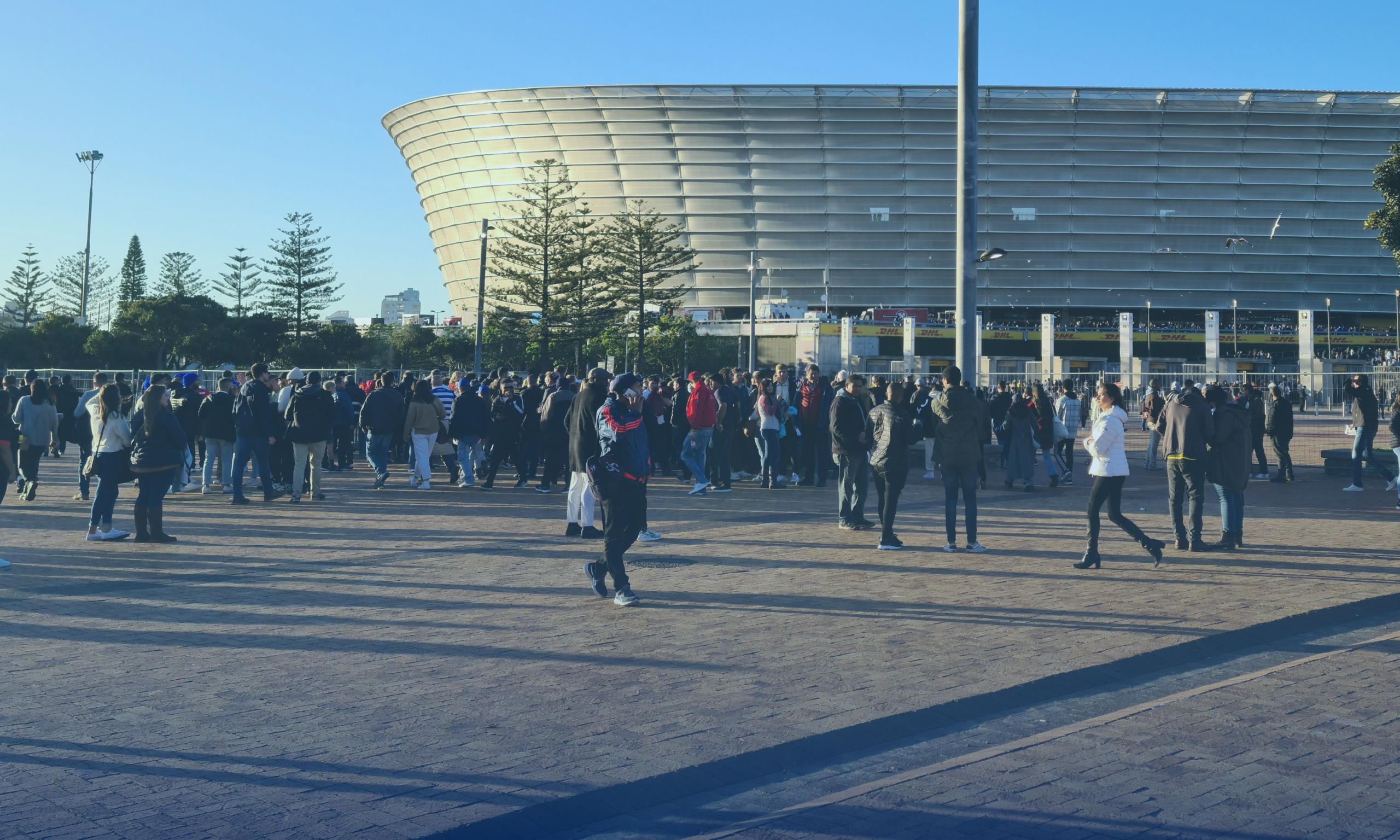


Cities across the U.S. are entering an era of mega-event transportation planning.
With the 2026 FIFA World Cup coming to multiple U.S. cities and other major events transportation teams are rethinking how to move crowds safely, keep streets functional, and respond when plans change in real time.
Below are practical lessons on event management planning, highlighting what’s working today and where cities need better tools for future events.
How Cities Manage Transportation for Large-Scale Events
A consistent theme across agencies and operators is that successful large-scale event transportation management follows a lifecycle:
- Planning period: permitting, interagency coordination, traffic control plans, curb rules, and public messaging
- Operational period: real-time monitoring, incident response, crowd control, and rapid adjustments to closures and routes
- After-action review: documenting what worked, what didn’t, and how to improve the next event
That final step matters more than many cities expect. After-action reports turn one-time learnings into repeatable playbooks which is essential when events stack up week after week and lessons must be applied quickly. This is important for implementations like the World Cup and Olympics where repeat events are part of the structure but also in cities where large events will continue to happen as a course of normal operations.
Washington, DC Event Traffic Management: Mapping, Coordination, and Crowd Control
In Washington, DC, special event traffic operations can be especially complex when jurisdictional boundaries overlap, including district streets, federal land, parks, major institutions, and security zones. To manage this complexity, the city is shifting from static lists of road closures, which are difficult to interpret and toward digital, map-based traffic alerts. These interactive maps allow residents and visitors to quickly see what streets are closed, what remains accessible, and how to route around disruptions. The result is clearer communication, improved compliance, and safer conditions during large-scale events where conditions can change rapidly.
Autonomous Vehicles and Special Events: Lessons from Austin
Austin’s University of Texas football operations illustrate the challenges that autonomous vehicles (AVs) can pose during special events. With roughly 100,000 attendees per game and limited parking near the stadium, the city relies on complex closures, restricted zones, and dynamic egress patterns that begin as early as halftime.
Cities may seek to keep AVs out of controlled zones, but geofencing depends on operator compliance. Even with barricades and signage, AVs can enter restricted areas, leading to operational disruptions such as difficulty interpreting hand signals, diverting police from security duties, and temporary measures like coning off vehicles while awaiting assistance.
Getting AV companies on the ground to see how streets, access points, and traffic patterns change during event peaks builds shared understanding that static plans cannot replicate.
Shared Micromobility for Mega Events: What the Paris Olympics Proved
Shared micromobility plays a critical role in moving large volumes of people to and from venues where car access is limited or impractical. Effective mega-event strategies focus on scaling vehicle availability to meet peak demand while using slow zones and no-ride or no-park areas to manage safety and congestion. Success also depends on targeted in-app messaging and visitor-friendly pass products that guide rider behavior and simplify access. Finally, clear day-of points of contact between operators and event teams ensure coordination and issue resolution.
The Paris Olympics showcased what micromobility operations can look like. A key element was the use of micromobility valet parking: large, staffed zones that allowed riders to arrive efficiently, hand off their vehicles, and keep pedestrian areas safe and organized. For event organizers, the most critical requirement was space. Sufficient square footage is needed to stage vehicles, manage flows, and ensure micromobility enhances the event experience rather than competing with it.
INRIX Products Supporting Event Transportation Success
INRIX solutions that support multiple phases of event planning and execution.
- INRIX Traffic Data helps agencies analyze historical congestion patterns to plan closures and signal timing.
- INRIX Help Alerts enables agencies to send geofenced transportation alerts, similar to Amber Alerts, during unexpected incidents.
- Ride Report supports micromobility management through geofenced zones and performance tracking.
- INRIX Signal Analytics helps agencies evaluate signal operations during and after events to continuously improve performance.
- Road Rules gives cities the ability to manage digital policies at a block or even lane level as conditions emerge. Mobility companies ingest the policies and feed the information back into their operations.
Coordinated Planning Is the Common Thread
The right mix of digital planning and boots-on-the-ground operations depends on building systems designed for change. As the World Cup and 2028 Olympics approach, success will belong to cities that plan collaboratively, operate dynamically, and learn from every event.
Learn more by listening to the webinar: World-Class Mobility: Planning for the Olympics, World Cup & More or visiting inrix.com/products.