
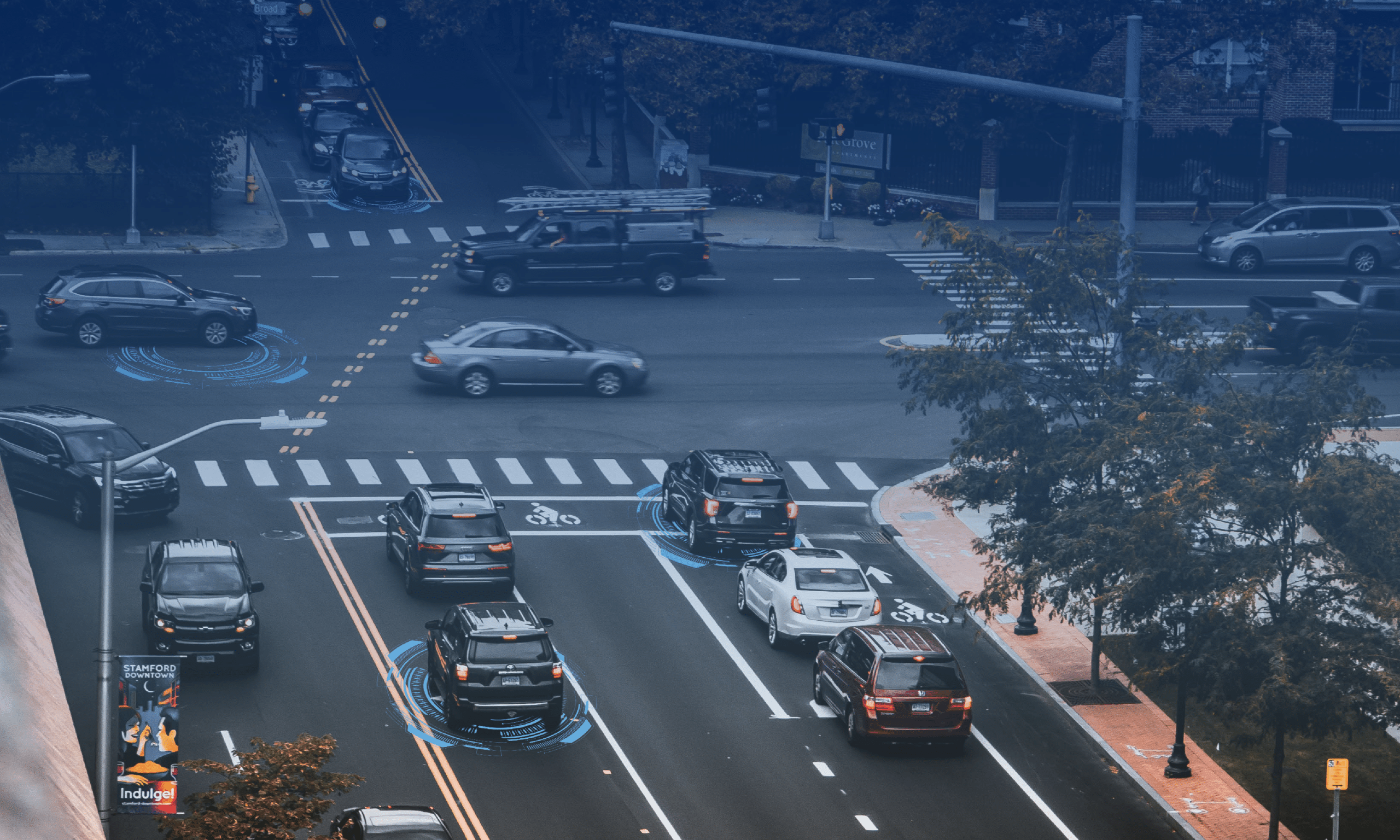


Traffic management is evolving rapidly and the recent webinar “From Intersections to Networks: A New Era of Signal Performance Analytics”, offered a compelling look into how data-driven insights are transforming the way cities understand and optimize their road networks.
From real-world case studies to advanced analytics techniques, the session highlighted how agencies are leveraging probe-based data to improve mobility, safety, and planning decisions.
What Is Signal Analytics and Why It Matters
At its core, INRIX Signal Analytics uses anonymized GPS data from connected vehicles to evaluate how intersections and corridors perform continuously at scale, without requiring physical infrastructure in the field.
Instead of relying solely on traditional sensors, this approach:
- Captures vehicle movement patterns continuously
- Measures metrics like delay, speed, and level of service
- Scales easily across entire regions
This model enables agencies to gain insights at hundreds, or even thousands, of intersections simultaneously.
Regional Insights from Maricopa Association of Governments
One region that is utilizing Signal Analytics is the Maricopa Association of Governments.
By tapping into the Signal Analytics, they were able to:
- Monitor traffic trends across grouped intersections
- Identify congestion patterns using control delay metrics
- Track level of service (LOS) across time and geography
- Build data-driven models for future planning
One highlight is the potential for model calibration, where historical data helps refine traffic simulations and forecasting, something traditionally limited by lack of arterial data.
City of Mesa: Turning Data into Daily Action
The City of Mesa also demonstrated how it uses Signal Analytics and how it can directly support operations.
Their approach includes:
- Reviewing daily performance dashboards
- Detecting unusual changes caused by construction or incidents
- Running before-and-after studies on signal timing adjustments
- Prioritizing corridors for improvement
One key takeaway: context matters. Engineers emphasized the importance of understanding external factors, like construction or crashes, when interpreting data.
From Data to Decisions: Other Core Use Cases
Across the webinar, several high-impact use cases emerged:
- IdentifyProblem Areas: Quickly pinpoint underperforming intersections or corridors using metrics like delay and travel time.
- Prioritize Investments:Focus resources wherethey’ll have the greatest impact, whether retiming signals or expanding capacity.
- ValidatePublic Feedback: Use objective data to confirm (or challenge) reported traffic issues.
- Measure Before-and-After Impact:Quantify improvements from projects, construction changes, or policy shifts.
- Enable Regional Visibility: Move beyond isolated corridors to understand the entire transportation network.
Why This Matters for the Future of Transportation
Traditional traffic management has often been reactive and limited by infrastructure constraints. Signal Analytics flips that model by enabling:
- Proactive decision-making
- Scalable, system-wide monitoring
- Data-backed planning and investment
As agencies continue adopting these tools, they are gaining the ability to better understand and optimize traffic operations at both the intersection and regional network levels.
The webinar made one thing clear: Data is no longer just a support tool. It’s becoming the foundation of modern traffic management. Whether you’re a planner, engineer, or policymaker, embracing these insights can lead to smarter, safer, and more efficient transportation systems.
Watch the on-demand webinar here or request a demo to learn more.